
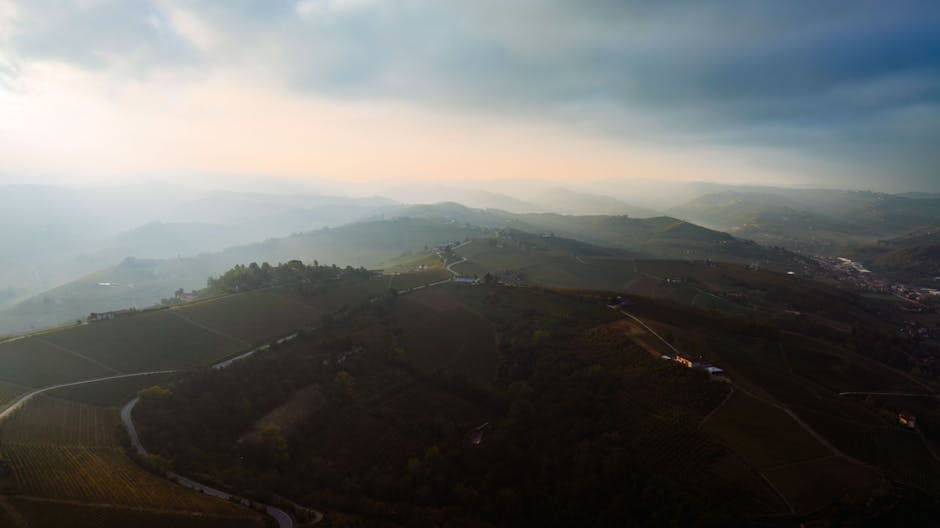
Within an hour’s drive of Adelaide’s city centre, you can reach over 200 cellar doors. For residents of South Australia, a winery tour is less about visiting famous labels and more about connecting with the stories, the small-scale producers, and the seasonal rhythms that define our local landscape. This guide provides practical insights for planning an exceptional day among the vines, from selecting a region to structuring your itinerary.
Why Locals Choose Private and Custom Tours
While self-driven days are a rite of passage, a growing number of Adelaide residents are selecting curated tours. The benefits are straightforward: no debate over a designated driver, entry to exclusive tastings, and the ability to design an itinerary that aligns with your group’s specific interests. For a significant birthday, a corporate event, or a gathering of friends, a custom tour elevates a standard outing into a seamless and memorable occasion. You benefit from a guide’s expertise, particularly their knowledge of which boutique wineries Adelaide locals frequent, and they can often secure table reservations at popular cellar door restaurants.
This method is particularly effective for exploring specific regional wine trails in detail. Rather than attempting to cover multiple large regions in one day, you can concentrate on a single area like the Adelaide Hills or McLaren Vale. This allows for a balanced visit to iconic estates and lesser-known producers you might otherwise overlook. For groups seeking broader gourmet food and wine experiences, a private tour can integrate visits to artisan cheesemakers, distilleries, or other producers into the schedule.
Planning Your Adelaide Winery Tour: A Local’s Checklist
Effective tours begin with careful planning. Your first major choice is selecting the wine region, as each possesses a distinct character and specialty that shapes the day’s atmosphere and the wines you will taste.
Selecting Your Region
Align the region with your group’s tastes. Do you prefer crisp whites and cool-climate styles, or robust reds from warmer areas? The following table outlines the primary options accessible from the city.
| Region | Drive Time from CBD | Signature Styles | Local Vibe |
|---|---|---|---|
| Adelaide Hills | ~30 mins | Pinot Noir, Chardonnay, Sauvignon Blanc, Sparkling | Cool, lush, artistic, with many boutique wineries |
| McLaren Vale | ~45 mins | Shiraz, Grenache, Cabernet, Mediterranean varieties | Coastal influence, relaxed, focused on organic/biodynamic practices |
| Barossa Valley | ~1 hour | Shiraz, Grenache, Eden Valley Riesling | Historic, world-renowned, a mix of grand estates and family-run shops |
| Clare Valley | ~1.5 hours | Riesling, Shiraz, Cabernet Sauvignon | Rural, cycling-friendly (Riesling Trail), picturesque villages |
Booking and Timing Tips
Always reserve tastings ahead of time, particularly on weekends. Many smaller Adelaide Hills wineries and Clare Valley cellar doors operate strictly by appointment, which typically results in a more personal and engaged experience. For a more relaxed atmosphere, consider a weekday tour if possible. You will encounter fewer crowds and have more opportunity for conversation with staff. Seasonal timing also matters. Autumn provides stunning foliage and the energy of harvest, while spring showcases vibrant new growth. Summer is peak season, necessitating bookings several weeks in advance.
When consulting with a tour provider, communicate your budget, preferred wine styles, and any specific venues you wish to include. Reputable private wine tour specialists will use this information to construct an itinerary that feels personally designed, not generic. Review the details of our wine tour services to understand the available customization options.
Beyond the Big Names: Exploring Boutique and Hidden Gems
The authentic pleasure for locals is found off the main tourist routes. South Australia’s wine regions are filled with small, often family-run operations where the person serving your wine may also be the winemaker. These boutique wineries Adelaide residents favour frequently offer the most direct connection to the land and the winemaking process.
In the Adelaide Hills, look for producers dedicated to single-vineyard wines or alternative varieties. These venues often feature compact cellar doors with impressive hilltop vistas. In McLaren Vale, a newer generation of winemakers is focusing on organic viticulture and producing lighter-bodied reds, presenting a modern contrast to the region’s classic, powerful styles. The role of a knowledgeable guide is invaluable here. They act as a concierge to these smaller venues, providing context and sometimes arranging introductions that deepen the tasting experience.
Structuring Your Perfect Day: From Tasting to Lunch
A well-paced itinerary is crucial for an enjoyable day. A common error is attempting to visit too many locations. Three to four quality stops, incorporating a leisurely lunch, is superior to six hurried tastings.
Morning: Focused Tastings
Begin your day at a smaller, appointment-only winery. The staff are typically fresher and can provide more attentive service. Use this time for focused tasting and learning. If your group is new to McLaren Vale wine tasting, for instance, start with a producer known for classic Shiraz to establish a regional benchmark. A second stop could explore the diversity of the area through Grenache or Italian varieties.
Lunch: A Culinary Highlight
Reserving a table for a long, relaxed lunch is essential. Many wineries host exceptional restaurants that are destinations in their own right. This midday break allows your group to discuss the morning’s wines, enjoy local produce expertly paired with the estate’s offerings, and recharge for the afternoon. This meal is the cornerstone of any superior gourmet food and wine experience.
Afternoon: A Mix of Style and Scale
After lunch, consider visiting one of the region’s larger, established wineries. The scale of their operations and architecture can be impressive, and their tasting flights often provide a comprehensive overview of their portfolio. Alternatively, introduce variety with a visit to a microbrewery, gin distillery, or olive grove. This approach maintains energy throughout the day and accommodates different interests within your group.
Understanding Wine Tour Packages and Options
When evaluating wine tour packages, look beyond the per-person cost. Examine what is included: tasting fees, lunch, and the duration of transportation. Some budget-friendly group tours operate on fixed schedules using large coaches, which can restrict access to smaller roads and wineries. Private tours represent a higher investment but offer door-to-door service in comfortable vehicles and complete schedule flexibility.
For locals, the value proposition of a private tour is often strongest. You are not paying for generic tourist commentary. You are investing in curated access to the specific South Australian vineyards you wish to explore at your preferred pace. Discuss package options with providers to see if you can modify inclusions, such as swapping a standard tasting for a cheese platter at a scenic location. You can request a tailored quote for your group through the contact our team page.
According to a 2023 report by Wine Australia, South Australia accounts for nearly 50% of Australia’s annual wine production, underscoring the density and quality of options surrounding Adelaide. This concentration means even a focused tour in one sub-region can reveal a remarkable depth of variety, from historic multi-generational families to innovative new producers.
Seasonal Considerations for Local Tours
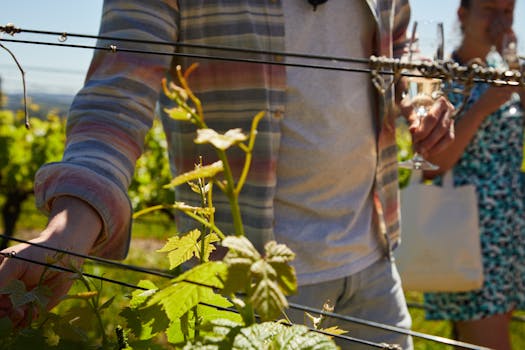
The season dramatically influences your tour experience. Visiting during vintage, which typically runs from February to April, is particularly engaging. You might witness harvest activity and even sample fermenting wines directly from the tank. Autumn offers crisp air and vineyards turning golden. Winter invites cozy tastings by cellar door fires, ideal for enjoying robust reds. Spring brings lush, green landscapes, perfect for wineries with extensive gardens. Each season presents a unique reason to visit. Consider planning a tour in different months to observe how the landscape and the wines themselves evolve throughout the year.
Frequently asked questions
What should I look for in a wine tour for a locals’ group?
Prioritize flexibility and customization. Look for operators who inquire about your group’s wine preferences and past experiences in the regions. The best tours for locals typically avoid the most crowded tourist spots. Instead, they focus on securing bookings at smaller, quality-focused producers that offer a genuine expression of the region’s character.
How far in advance should I book a private Adelaide winery tour?
For private group tours, especially on weekends or during peak seasons like summer and autumn, aim to book at least four to six weeks ahead. This lead time is necessary to secure tasting appointments at sought-after boutique wineries and reservations at popular restaurants. Weekday tours may be arranged with slightly less notice.
Are tasting fees included in most wine tour packages?
This varies by operator. Many private tour packages include tasting fees at all scheduled stops, as the operator pre-arranges your visit. Larger group shuttle tours sometimes exclude these fees. Always confirm what is included in your quoted price. Tasting fees typically range from $5 to $15 per person, and this charge is often waived if you purchase wine.
Can we customize a tour to include breweries or distilleries?
Yes. Most private tour operators in Adelaide are experienced in creating mixed itineraries. The Adelaide Hills, for example, features excellent wineries, craft breweries, and distilleries often located in close proximity. Discuss your group’s interests openly. A capable provider can design a balanced day that includes wine, beer, spirits, and gourmet food stops.
What is the advantage of a private tour over driving ourselves?
The primary advantages are safety, convenience, and depth of experience. Everyone in your group can participate fully in all tastings. You gain from the local knowledge of your driver-guide, who can provide insights and stories about the region. Logistical concerns like parking, navigation, and booking coordination are managed for you, allowing your group to relax and enjoy the day together.