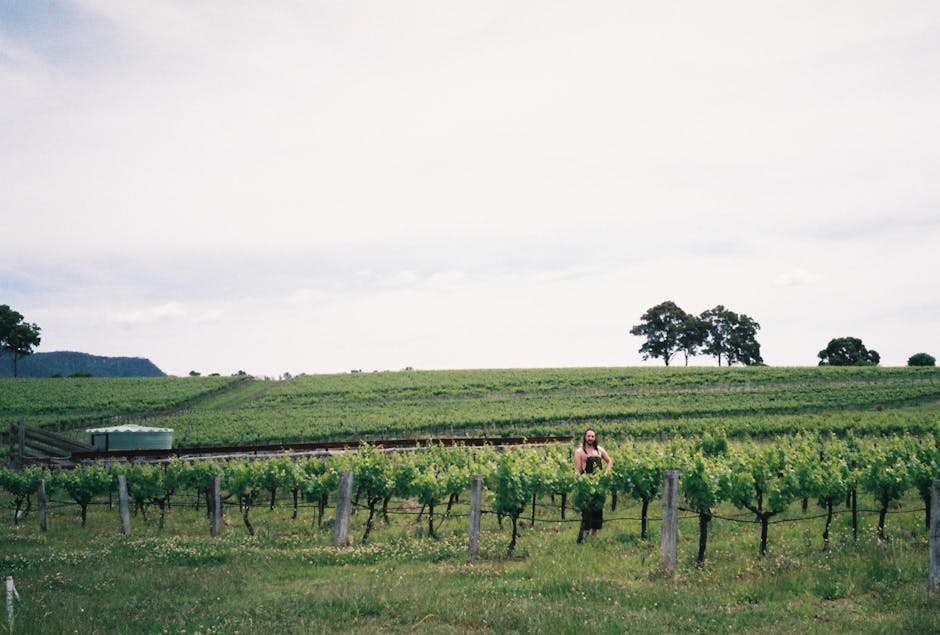
A unique climate pattern has defined the 2026 growing season across South Australia, setting the stage for what vintners are cautiously calling a classic vintage in the making. While challenges emerged, particularly in early spring, the consistent summer and dry autumn have delivered exceptionally healthy fruit. This report provides a comprehensive breakdown of conditions, grape quality, and yields from the Barossa to Coonawarra.
Seasonal Overview and Regional Impacts
The 2026 vintage was shaped by a cooler, wetter than average spring. This delayed budburst in some areas and raised concerns about disease pressure. However, a switch to a long, dry, and consistently warm summer without extreme heatwaves allowed vines to catch up. Veraison was even, and a dry autumn with cool nights provided an extended ripening window. This ideal finish has maximised flavour development while preserving natural acidity, a key marker for age-worthy wines. The overall 2026 vintage ratings for South Australia are high, reflecting this favourable end to the season.
The impact varied by region. Warmer inland areas like the Barossa and Riverland benefited immensely from the lack of scorching heat, allowing for slower sugar accumulation. Cooler coastal and elevated regions, such as the Adelaide Hills and McLaren Vale, enjoyed a long, slow ripening period that enhanced aromatic complexity. Water management was less stressful than in drought years, leading to balanced vines and concentrated fruit.
Barossa Valley 2026 Vintage Conditions
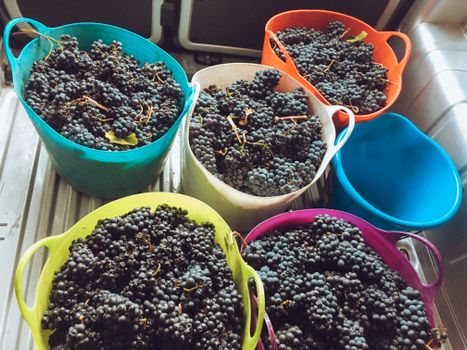
The 2026 Barossa Valley vintage is poised for excellence. The season avoided the severe heat spikes that can compromise balance, resulting in what many winemakers describe as “textbook” conditions for Shiraz and Grenache. Canopies were healthy, and the dry autumn allowed growers to harvest at perfect physiological ripeness. Tannins are reported as ripe and supple, with deep colour and intense fruit flavours already evident in early ferments. The 2026 Barossa Valley vintage should produce powerful yet elegantly structured reds.
McLaren Vale Harvest and Wine Quality
In McLaren Vale, a similar story unfolds. The maritime influence moderated temperatures throughout the critical summer months. The 2026 McLaren Vale harvest proceeded smoothly, with excellent fruit integrity. Shiraz shows exceptional promise, with vibrant dark fruit characters and fine, chalky tannins. Old-vine Grenache and Mourvèdre also thrived, indicating superb potential for GSM blends. Early reports on white varieties like Fiano and Vermentino are equally positive, highlighting crisp acidity and pronounced flavour.
Detailed Regional Reports
Beyond the headline regions, South Australia’s diverse wine geography experienced the 2026 season in distinct ways. The overall South Australia 2026 grape quality is high, but the expression varies from district to district.
Clare Valley and Adelaide Hills
The Clare Valley experienced its signature diurnal temperature shift, with warm days and cool nights intensifying in the dry autumn. This is ideal for Riesling. The 2026 Clare Valley wine report points to wines with intense lime and floral aromatics, razor-sharp acidity, and great concentration. It looks to be a standout year for this iconic style.
For the Adelaide Hills, the cool spring was a minor setback, but the extended autumn was a gift. The 2026 Adelaide Hills vintage report suggests fantastic aromatic whites. Sauvignon Blanc and Chardonnay show incredible purity and focus. Pinot Noir benefited from the long hang time, developing complex red fruit and spice characteristics without excessive alcohol.
Coonawarra and Langhorne Creek
In Coonawarra, the dry finish to the season was crucial. The terra rossa soil drained the spring moisture effectively, reducing vigour. The 2026 Coonawarra vintage conditions produced Cabernet Sauvignon with remarkable classical structure: concentrated blackcurrant fruit, firm but fine tannins, and balanced acidity. This vintage will likely produce long-lived wines.
Langhorne Creek, with its historic flood irrigation, managed water perfectly. The 2026 Langhorne Creek harvest yielded rich, generous reds. Cabernet and Malbec are particularly impressive, with plush textures and deep colour. These wines will offer approachability in their youth but have the backbone to age.
Riverland and Broader Yields
As a key engine room for Australian wine, the Riverland’s performance is always significant. The absence of extreme heat was a major benefit here. The 2026 Riverland vintage update indicates very good quality across high-volume varieties, with excellent flavour intensity at lower sugar levels. This bodes well for value-driven wines.
In terms of volume, early estimates suggest 2026 South Australian wine yields are slightly above the five-year average but not excessive. The quality of the yield is universally regarded as more important than the quantity this year. Balanced crops have led to better concentration in the grapes, a direct result of the favourable growing season. For example, the Barossa Valley’s Shiraz yield is estimated at 15% above the 2025 figure, but berry size was smaller, leading to a higher skin-to-juice ratio and greater colour and tannin extraction.
| Region | Key Varieties | 2026 Vintage Outlook |
|---|---|---|
| Barossa Valley | Shiraz, Grenache, Mataro | Excellent. Structured, powerful reds. |
| McLaren Vale | Shiraz, Grenache, Cabernet | Outstanding. Rich, balanced wines. |
| Clare Valley | Riesling, Shiraz | Exceptional for Riesling. Classic year. |
| Adelaide Hills | Chardonnay, Pinot Noir, Sauvignon Blanc | Very High. Elegant, aromatic styles. |
| Coonawarra | Cabernet Sauvignon | Excellent. Structured, age-worthy Cabernet. |
| Langhorne Creek | Cabernet, Malbec, Shiraz | Very Good. Generous, flavourful reds. |
What This Vintage Means for Wine Lovers
For consumers, the 2026 vintage signals a year to watch. Wines from this season, particularly reds from the Barossa and McLaren Vale, will likely offer both immediate appeal and serious cellaring potential. The whites from cooler regions will be intensely fragrant and crisp upon release. When these wines hit the market, they will represent some of the best South Australia has to offer.
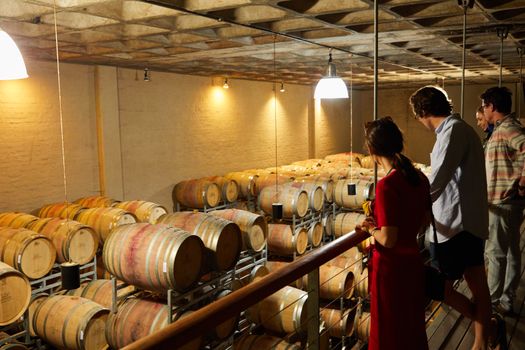
This is also an ideal year to explore regional diversity through a personalized wine tour. Understanding the subtle differences in how Clare Valley Riesling or Coonawarra Cabernet expresses itself in a great vintage is a rewarding experience. Our team specializes in creating customized private tours that can take you directly to the cellar doors where these 2026 wines will eventually be poured. Tasting current releases while hearing winemakers talk about the promise of the 2026 harvest provides unparalleled insight.
Planning Your Wine Tour Experience
With such a positive vintage report, interest in South Australia’s wine regions will grow. Planning a tour allows you to engage with the vintage story firsthand. Whether your interest lies in the robust Shiraz of the Barossa or the elegant Chardonnay of the Adelaide Hills, a private group tour offers a tailored experience. You can design an itinerary that matches your group’s preferences, focusing on the regions and styles that excite you most.
For those considering a visit, reviewing our comprehensive tour services is a great first step. We handle all logistics, from transport to bookings, letting you focus on the wine and the scenery. Engaging with a local tour specialist ensures you access hidden gems and hear the vintage story from the people who made it. For instance, a specialist can arrange a tasting at a small, family-run Clare Valley winery that may have a unique take on the vintage’s Riesling character, something not found on standard tourist routes.
The 2026 vintage in South Australia is a testament to resilience and ideal ripening conditions. It highlights why this state remains at the forefront of premium Australian wine. From the robust reds of the traditional powerhouses to the refined whites of the cooler climates, the year has delivered exceptional raw material. The wines that follow will be worth seeking out, and there’s no better way to understand them than by visiting the source.
Frequently asked questions
How does the 2026 South Australian vintage compare to 2025?
The 2026 vintage is generally considered more consistent and classic than 2025 across most regions. While 2025 produced excellent wines, 2026 benefited from a drier autumn, leading to more even ripening and potentially better natural balance, especially for red varieties.
Which South Australian region performed best in 2026?
It is difficult to name a single best region, as conditions were favourable statewide. Early reports suggest the Barossa Valley for Shiraz, Clare Valley for Riesling, and Coonawarra for Cabernet Sauvignon all experienced outstanding seasons that should result in benchmark wines.
When will 2026 vintage wines be available to taste or buy?
Many whites and rosés from the 2026 vintage will be released from late 2026 through 2027. Reds, especially premium ones destined for oak aging, will start appearing on shelves and in cellar doors from late 2027 onward, with some not released until 2028 or later.
Is 2026 a good year to invest in South Australian wine for cellaring?
Yes, early indicators suggest 2026 is an excellent vintage for cellaring. The combination of ripe flavours, good concentration, and balanced acidity in the grapes provides the fundamental structure needed for wines to develop complexity over many years in the bottle.
What was the biggest challenge winemakers faced in 2026?
The primary challenge was managing the cooler, wetter spring conditions. Growers had to be vigilant about canopy management and disease control early in the season. Those who successfully navigated this period were rewarded with the near-perfect summer and autumn that followed.