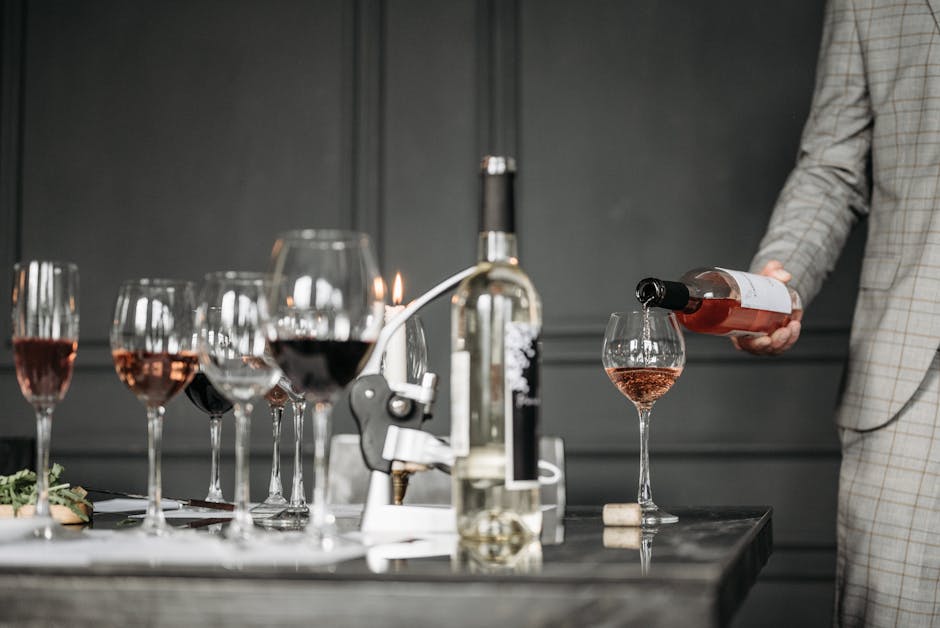
South Australia produces over fifty percent of the nation’s wine. The experience of tasting these wines extends far beyond simple enjoyment, rooted in a rigorous blend of chemistry, biology, and environmental science. Understanding this process transforms a casual sip into a journey of discovery.
The Foundations of Oenology and Sensory Analysis
Oenology is the science of winemaking and wine tasting. At its heart lies sensory analysis, a methodical approach to evaluating a wine’s appearance, aroma, flavour, and texture. This structured assessment separates subjective preference from objective measurement, allowing tasters to communicate with precision. Professionals use tools like aroma wheels to break down complex bouquets into identifiable components, from fruity esters to earthy phenols.
This scientific approach is not reserved for experts. Any curious drinker can learn its principles. A tailored private wine tour with a knowledgeable guide often introduces these techniques, turning a day out into an educational experience.
How Terroir Dictates Flavour in South Australian Regions
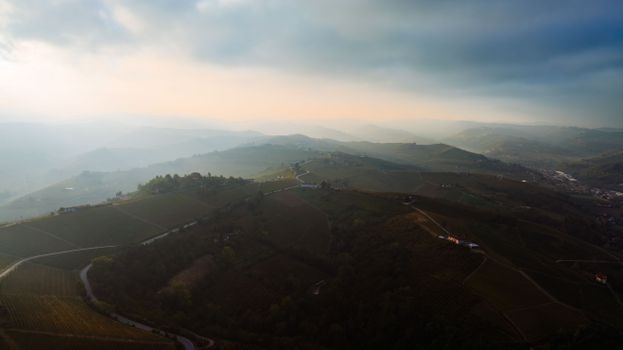
Terroir is a key concept in viticulture. It refers to the complete natural environment where grapes are grown, including soil, topography, and climate. South Australia’s diverse landscapes create distinct regional profiles. In the Barossa Valley, ancient, nutrient-poor soils and a warm climate produce intensely flavoured Shiraz with ripe, dark fruit characteristics. The maritime influence on McLaren Vale yields wines with softer tannins and a distinctive savoury edge.
The cooler heights of the Clare Valley are perfect for Riesling, where crisp acidity and pronounced citrus and floral notes develop. Each region’s unique geology and weather patterns are expressed directly in the glass, a living lesson in environmental science.
The Chemistry in Your Glass
Every sensation you experience while wine tasting has a chemical basis. The aromas detected during nosing come from volatile compounds like esters and terpenes. Tannins, polyphenolic compounds from grape skins and oak, create texture and astringency. Acidity, primarily from tartaric and malic acids, provides structure and freshness.
Winemakers use their understanding of wine chemistry to guide fermentation, manage stability, and shape a wine’s final profile. This science ensures consistency and quality, from a bold Coonawarra Cabernet to a delicate Adelaide Hills Pinot Noir. For instance, the process of malolactic fermentation, where harsher malic acid converts to softer lactic acid, is a direct chemical intervention used widely in Australian Chardonnay production to influence mouthfeel.
A Guide to Systematic Palate Assessment
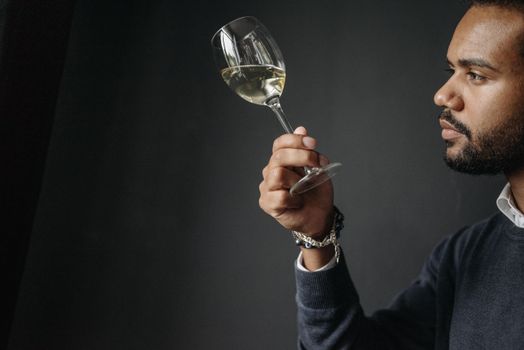
Effective palate assessment follows a sequence. First, examine the wine’s colour and viscosity. Next, gently swirl the glass to release aromas and take short sniffs to identify scent families. On tasting, let the wine move across your entire tongue to perceive sweetness, acidity, saltiness, and bitterness. Notice the weight, texture, and length of the finish. This methodical process helps isolate and identify each component contributing to the whole.
South Australia’s Laboratories: Key Wine Regions
The state’s regions serve as open-air laboratories for viticultural science. Exploring them offers practical insight into the theories of terroir and variety.
| Region | Key Characteristics | Signature Varietals |
|---|---|---|
| Barossa Valley | Warm climate, old vines, complex soils | Shiraz, Grenache, Mataro |
| McLaren Vale | Mediterranean climate, maritime influence | Shiraz, Cabernet, Grenache |
| Clare Valley | Cool continental climate, slate soils | Riesling, Shiraz, Cabernet |
| Adelaide Hills | Cool climate, high altitude, diverse aspects | Sauvignon Blanc, Pinot Noir, Chardonnay |
Engaging with these areas firsthand is the best education. A dedicated local wine tour service provides curated access to benchmark producers who can explain their site-specific approaches. The Langhorne Creek region, for example, adds another dimension with its unique floodplain viticulture, where periodic flooding of the Bremer and Angas rivers deposits fresh silt, influencing soil fertility and vine vigour.
Applying the Science on Your Next Tour
Armed with basic knowledge, your next visit to a cellar door becomes more rewarding. Ask winemakers about their vintage conditions or soil management. Notice how wines from the same region but different sub-districts compare. Focus on identifying specific fruit, floral, or spice notes during aroma profiling. This active engagement deepens appreciation and reveals the story behind each bottle.
For a seamless experience that connects theory with practice, consider our affordable regional tour options designed for local enthusiasts. These tours often include technical tastings and meetings with winemakers, offering a direct link between science and sensory pleasure. A 2022 survey by Wine Australia found that over 70% of visitors who participated in an educational tour reported a significantly improved ability to identify regional characteristics in wine.
Frequently Asked Questions
What is the difference between oenology and viticulture?
Viticulture is the science of grape growing, focusing on vineyard management. Oenology is the science of winemaking, covering fermentation, ageing, and finishing. They are two halves of the production process, both critical to the final wine’s quality.
Why does the same grape taste different in Barossa versus McLaren Vale?
This is the expression of terroir. Differences in soil composition, average temperature, rainfall, and sunlight hours between the regions cause the grape vines to metabolise differently. This results in variations in sugar, acid, and flavour compound development, even from the same grape variety.
How can I improve my wine tasting skills at home?
Practice structured tasting. Use a standard aroma wheel as a reference. Taste two different wines side by side, focusing on one element at a time, like acidity or tannin. Taking brief notes helps build a memory bank of flavours and styles. Start with a comparison of a Clare Valley Riesling and an Adelaide Hills Sauvignon Blanc to train your palate on acidity and aromatic profiles.
What should I look for in a science-focused wine tour?
Seek tours that emphasise education and access. Look for descriptions that include meetings with winemakers or viticulturists, technical tasting sessions, and visits to vineyards with discussions about soil and climate. Specialist operators, like our professional tour guides are structured to provide this depth.
How important is vintage variation in South Australia?
Vintage variation is significant, though often less dramatic than in cooler, marginal climates. Key factors are rainfall timing and heat accumulation. A hotter, drier vintage like 2019 typically produces more concentrated, higher-alcohol reds in the Barossa, while a cooler year like 2021 can yield wines with brighter acidity and more delicate fruit expression, particularly in regions like the Adelaide Hills.