
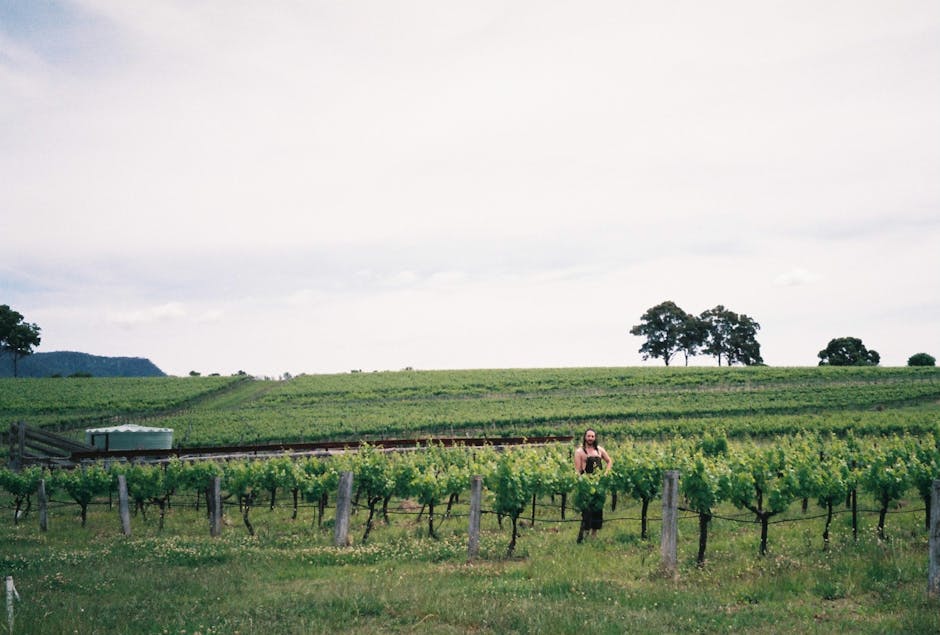
South Australia produces over half of all wine in Australia. This single fact underscores the state’s monumental role in the nation’s viticulture story. The journey from the first tentative plantings to global recognition is a tale of resilience, innovation, and exceptional terroir.
This history is not confined to textbooks. It lives in the ancient vines of the Barossa Valley, the cool-climate styles of the Adelaide Hills, and the world-renowned bottles of Penfolds Grange. For locals, this legacy is a source of pride and a fantastic reason to explore. Understanding the past makes a visit to our renowned wine regions even more rewarding.
The Early Beginnings: Settlers and Survival
The first grape vines arrived in South Australia with European settlers in the 1830s. Unlike the eastern colonies, South Australia was established as a free settlement, attracting a wave of industrious immigrants. Among them were German Lutheran families who settled in the Barossa Valley. They brought with them a deep cultural connection to winemaking and planted the Shiraz vines that would become legendary.
These early settlers faced immense challenges. Harsh climates, limited knowledge of local conditions, and isolation from markets tested their resolve. Yet, by the 1840s, commercial vineyards began to appear. Pioneers like John Reynell in McLaren Vale and Dr Christopher Rawson Penfold in Magill planted the foundations of an industry. Penfold’s medicinal wine project, started in 1844, would evolve into the empire that created Grange.
Viticulture in these early decades was pragmatic. Wines were often fortified for stability, a style that dominated the market for generations. However, the pursuit of quality table wine had begun, setting the stage for future innovation. For instance, by 1850, South Australia had already exported its first shipment of wine to England, a modest but significant step toward an international market.
The Expansion of Wine Regions
As the 19th century progressed, winemaking spread beyond the initial settlements. Diverse microclimates and soils across the state were identified as ideal for different grape varieties. This period saw the establishment of what we now know as South Australia’s premier wine regions, each with a unique profile.
The Barossa Valley solidified its reputation for powerful, robust reds, particularly Shiraz. McLaren Vale, with its maritime influence, earned acclaim for its rich, soft-textured wines. In the far south, the unique terra rossa soil over limestone in Coonawarra was discovered, creating perfect conditions for Cabernet Sauvignon with intense flavour and structure.
The late 20th century brought further refinement. The Adelaide Hills emerged as a premier region for cool-climate varieties like Sauvignon Blanc, Chardonnay, and Pinot Noir, adding a new dimension to the state’s portfolio. This regional diversification became a key strength, allowing South Australia to produce an astonishing range of wine styles. The Clare Valley, though smaller, also gained prominence in this era for its world-class, lime-scented Rieslings.
| Region | Key Founding Period | Signature Style |
|---|---|---|
| Barossa Valley | 1840s | Old-vine Shiraz, full-bodied reds |
| McLaren Vale | 1840s | Shiraz, Grenache, maritime-influenced reds |
| Coonawarra | 1890s | Cabernet Sauvignon from terra rossa soil |
| Adelaide Hills | 1980s | Cool-climate Sauvignon Blanc, Chardonnay |
The Role of Winemaking Pioneers
Progress was driven by individuals. Winemaking pioneers such as Samuel Smith of Yalumba, Walter Reynell, and later, Max Schubert of Penfolds, took bold risks. Schubert’s experimental work in the 1950s, defying company orders to stop, resulted in Penfolds Grange. This wine later became Australia’s most famous and collectible red, proving that the country could produce wines of first-rank world quality. These innovators pushed boundaries in both the vineyard and the cellar. Another key figure, Colin Gramp of Orlando Wines, pioneered large-scale production of quality table wine in the 1930s with his Barossa Pearl, making wine accessible to a broader Australian public.
The Modern Era and Global Recognition
The latter part of the 20th century was a rollercoaster. A period of high-volume production was followed by a quality revolution in the 1980s and 90s. Australian winemakers embraced advanced technology and focused on expressing regional character. South Australian wines, particularly its bold Shiraz from the Barossa and McLaren Vale, found enthusiastic markets overseas.
This global success brought investment and further innovation. The focus expanded to include premium Riesling from the Clare and Eden Valleys, elegant sparkling wines, and alternative varieties. Today, the state’s wine industry balances a respect for heritage with a forward-looking approach. Sustainability, organic practices, and minimal-intervention winemaking are now significant trends, ensuring the industry’s health for the next generation. According to Wine Australia, exports of South Australian wine were valued at approximately $1.3 billion in the 2022-23 financial year, demonstrating its sustained global appeal.
Planning Your Visit to Living History
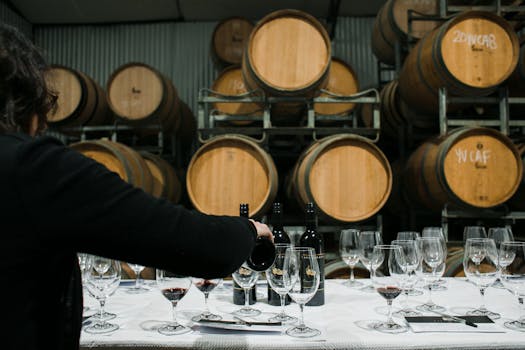
For Adelaide locals, this history is accessible. The very vineyards planted by those early settlers can be visited. You can taste wines made from gnarled, century-old vines and tour modern architectural cellars. A well-planned tour connects these dots, offering a deeper appreciation for the glass in your hand.
The historic charm of the Barossa, the coastal vibe of McLaren Vale, and the crisp air of the Adelaide Hills each tell part of the story. Engaging with knowledgeable guides transforms a simple tasting into an insightful experience. They can explain how the distinct wine regions near Adelaide shaped the styles you taste.
Many local tour operators, including our own private group tour services, specialize in creating personalized itineraries. They handle logistics, allowing you to immerse yourself in the landscape and its stories safely. Exploring these areas supports local growers and family-run wineries that are the custodians of this heritage. For example, a visit to Henschke in the Eden Valley connects you to a sixth-generation family business tending some of the country’s oldest Shiraz and Semillon vines.

Photo by Matheus Bertelli on Pexels
Frequently asked questions
What is the oldest wine region in South Australia?
The Barossa Valley and McLaren Vale are the oldest continuous wine regions in South Australia. Both saw significant settlement and vine planting in the 1840s by European pioneers. The Barossa is especially famous for preserving some of the world’s oldest productive Shiraz vines, with blocks like Langmeil’s The Freedom Vineyard dating back to 1843.
Why is South Australian Shiraz so famous?
South Australian Shiraz gained fame due to ideal growing conditions, particularly in the Barossa Valley and McLaren Vale. Warm, dry climates produce ripe, full-bodied grapes. Historic old vines and pioneering winemakers like those behind Penfolds Grange created a powerful, distinctive style that won international acclaim. The 1971 Penfolds Grange Shiraz, for instance, was named “Wine of the Year” by the influential US magazine *Wine Spectator* in 1995, cementing its legendary status.
What is special about Coonawarra wine?
Coonawarra is unique for its “terra rossa” soil: a thin strip of red earth over a limestone base. This well-drained soil, combined with a cool climate, produces Cabernet Sauvignon with intense cassis flavour, fine tannins, and remarkable aging potential, making it one of Australia’s most celebrated red wine styles. The region’s distinct cigar-shaped strip of terra rossa is only about 15 kilometres long and 1.5 kilometres wide.
How can I visit multiple South Australian wine regions?
The best way to visit multiple regions is with a dedicated tour operator based in Adelaide. Companies offer affordable day tours to different areas, handling transport and itinerary planning. This allows you to sample contrasting styles from, for example, the Barossa Valley and Adelaide Hills in one seamless trip. Many operators design routes that highlight the historical progression from old-vine regions to newer, cool-climate areas.
Are there historic wineries I can still visit today?
Yes, many historic wineries are open for tastings and tours. Examples include Penfolds Magill Estate in Adelaide, Seppeltsfield in the Barossa (famous for its Centennial Tawny), and d’Arenberg in McLaren Vale. These venues offer a direct connection to the state’s early winemaking days. At Seppeltsfield, you can even taste a tawny port from your birth year, a tradition dating back to the 1870s.